Why Restaurants Need Wireless Paging Systems?
May 11, 2026 2026-05-11 14:44Why Restaurants Need Wireless Paging Systems?
Why Restaurants Need Wireless Paging Systems?
A busy restaurant can lose its rhythm fast. Guests crowd near the entrance. Staff repeat the same updates. Kitchen orders sit while servers are pulled in five directions. None of it looks dramatic at first, but it slowly eats into service quality.
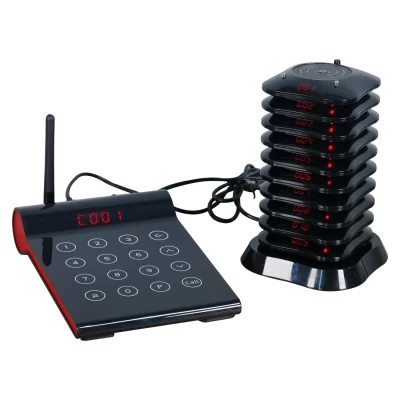
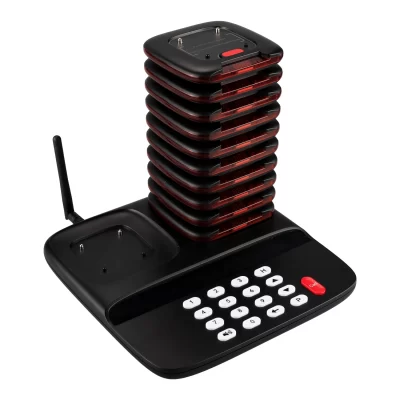
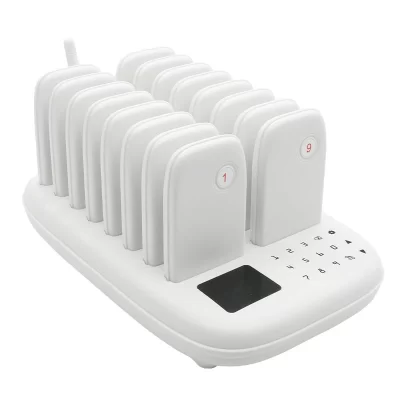
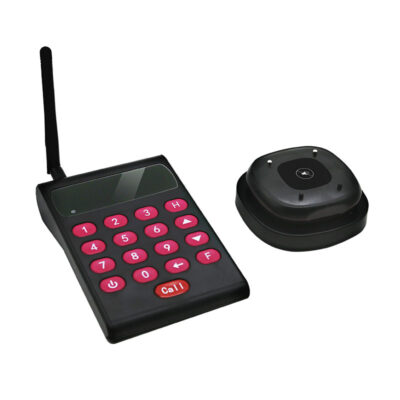
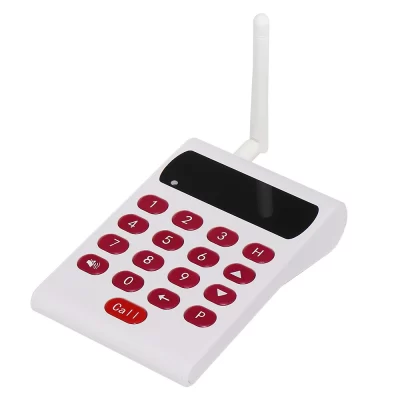
That is why many food businesses now look at a wireless paging system for restaurants as more than a buzzer setup. It becomes a simple way to keep people moving without shouting across the floor. A company like Remote Source helps businesses think about paging as a communication fix, not just another device on the counter.
Why Do Restaurant Waits Feel So Messy?
Waiting is not always the problem. Confusion is.
A guest can accept a 20 minute wait when they know they will be called clearly. What frustrates people is standing near the host stand, checking every few minutes and wondering if they were forgotten.
That pressure also lands on staff. Hosts keep repeating names. Servers look for guests. Kitchen teams wait for orders to be collected. A small delay in one corner starts affecting the whole floor.
Paging systems reduce that noise. Guests can wait nearby. Staff can send a quick alert. The restaurant keeps its entrance calmer and the team stays focused on actual service.
How Does a Paging System Help Guests?
A guest pager gives people a little breathing room. They do not have to hover near the counter or listen for a name in a loud room.
For restaurants, that small change can make the wait feel easier.
It helps with:
- Table-ready alerts
- Takeout order pickup
- Food court order flow
- Patio or outdoor waiting areas
- Busy weekend queues
- Counter service rush hours
The benefit is not fancy technology. It is clarity. The guest knows they will be called. The host does not need to keep scanning the room. The system quietly handles the handoff.
Remote Source also has a helpful blog on choosing systems that explains why range, layout and pager type matter before buying.
What Does Staff Gain From It?
Restaurants often focus on the guest side first, but staff usually feel the difference quickly.
A paging system can cut down on repeated walking, yelling and manual check-ins. That matters during rush hours when everyone is already stretched.
Here is where it helps most:
| Restaurant area | What paging improves |
| Host stand | Cleaner waitlist flow |
| Kitchen counter | Faster order pickup |
| Patio seating | Easier guest alerts |
| Takeout area | Less crowding |
| Large dining rooms | Better team movement |
A strong system does not make staff work harder. It removes small communication tasks that slow them down.
Where Do Restaurants Use Pagers Most?
Paging is not only for large restaurants with long waits. Small cafés, food trucks, bakeries, diners and quick-service counters can use it too.
The best fit depends on how the restaurant serves people.
A sit-down restaurant may use pagers for table waits. A café may use them for drink pickup. A food truck may use them so customers can stand aside instead of blocking the order window. A large venue may use them across several service zones.
This is where many restaurants make the wrong choice. They buy based on price first. Then they find out the range is weak, the batteries are annoying or the system does not match the way the team works.
The better move is to start with the daily problem. Then choose the system around that problem.
What Should Restaurants Check First?
A wireless paging setup should feel easy on the first day. If the staff needs a long explanation just to use it, the system is already fighting the workflow.
- Restaurants should check:
- Signal range across the real space
- Battery life for long shifts
- Charging setup
- Pager durability
- Alert type like sound, light or vibration
- Number of pagers needed
- Room to grow later
A small restaurant may only need a simple guest paging setup. A busier location may need more pagers, stronger coverage or a setup that separates table waits from takeout orders.
The point is not to buy the biggest system. The point is to buy the one the team will actually use.
Conclusion
A restaurant does not need more noise. It needs cleaner signals.
That is the real value of paging. Guests know when to return. Staff stop chasing updates. The front area feels less crowded. The kitchen and service team stay in better sync.
For restaurants comparing options, Wireless Paging Systems from Remote Source can support a setup that fits the way the business actually runs. The right system will not fix every service issue, but it can remove one of the most common ones: people not knowing where to be or when to move.
Wireless Pagers and Alert Systems
April 28, 2023 2025-11-10 14:41